
This 360° baking scenario places learners in a realistic kitchen environment where they make decisions at key moments in the baking process. Learners see the impact of common mistakes in real time, helping them understand cause-and-effect without wasting ingredients or risking safety.
How to Bake a Cake: The Basics

Target Audience
Beginner bakers who are learning foundational skills and building confidence in pursuing a new hobby or vocation.

The Solution
Small, compounding mistakes can waste ingredients, time, and money, often causing beginners to feel discouraged or give up
The Challenge

A decision-based learning experience where learners can experiment, make mistakes, and see outcomes without wasting real ingredients or risking their safety

Tools Used
Articulate Storyline 360, ChatGPT, Skybox AI, Canva, ElevenLabs AI
The Challenge
Beginner bakers often struggle with small, compounding mistakes that recipes don’t teach you, like:
-
Using the wrong measuring tool for wet vs dry ingredients
-
Opening the oven too often, or not often enough.
-
Not recognizing when something is over or under mixed
Each failed attempt wastes time and money, and many beginner bakers give up for good before they ever build confidence.
The Solution
I designed a decision-based baking experience where learners can practice the most common steps where baking usually goes wrong—without wasting real ingredients or risking their real safety.
Instead of text-heavy reading about what not to do, learners can freely make wrong choices, see the outcome, and understand how all their choices came together.
They can experiment, and try again until they build the memory and confidence to bake successfully in the real world.
My Design Process

A.I. for Idea Refinement
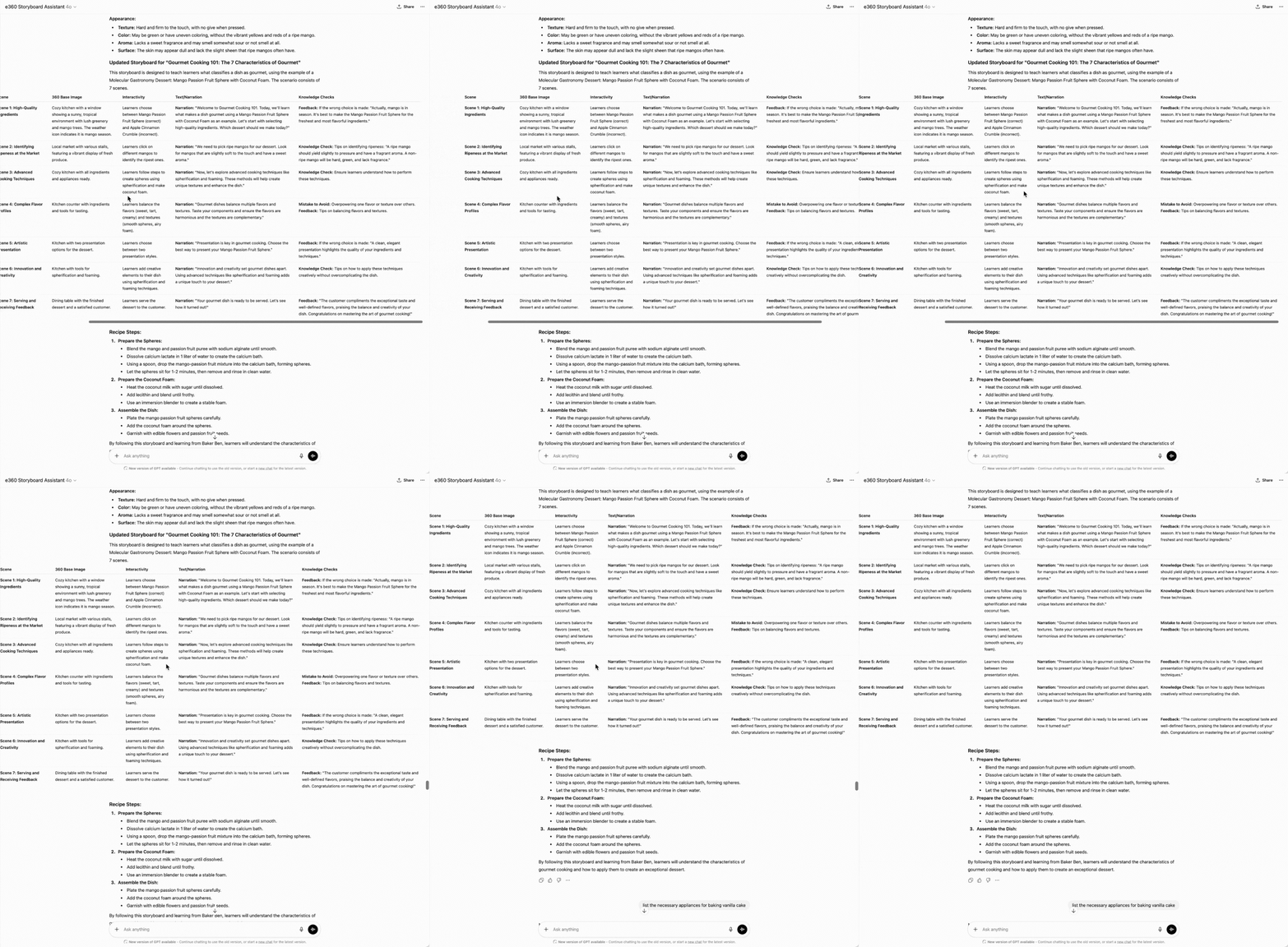
ChatGPT acted as my SME as I pressure-tested the idea and identified common beginner baking mistakes. Through targeted prompts, I surfaced real-world problem areas and used those insights to structure my initial brain dump. I also configured a custom GPT to act as an SME and storyboard creator, helping outline the learning flow before applying my own instructional judgment and design decisions.
Storyboarding
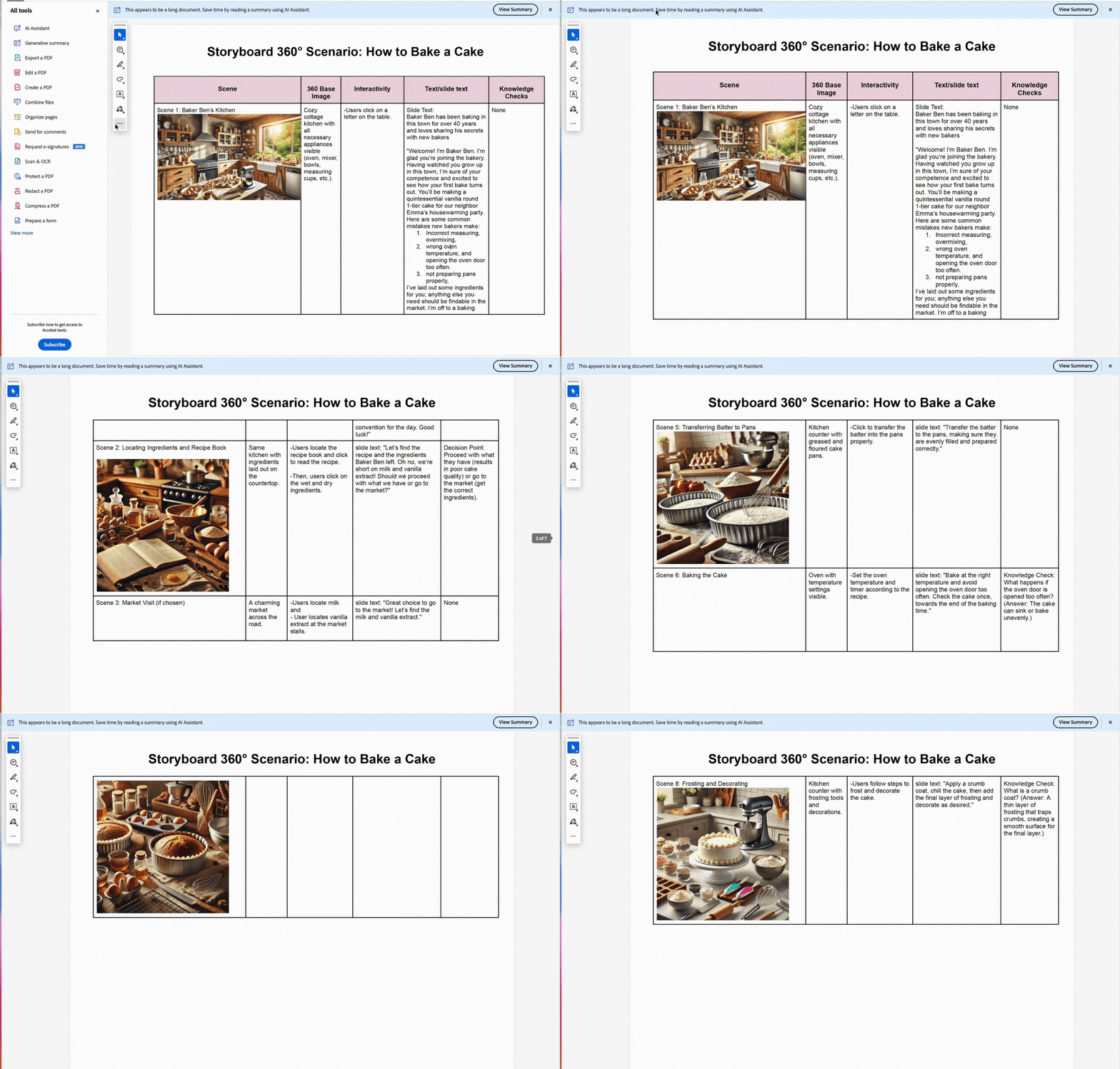
I began with an initial storyboard draft created by the GPT I configured, then applied the human touch to refine it. I reviewed the full flow, adjusted ideas, solidified knowledge checks, and sharpened the storyboard using my own instructional judgment. I finalized the formatting and added visuals generated with ChatGPT to guide my vision as I prepared to dive into content creation.
Visual Content Generation
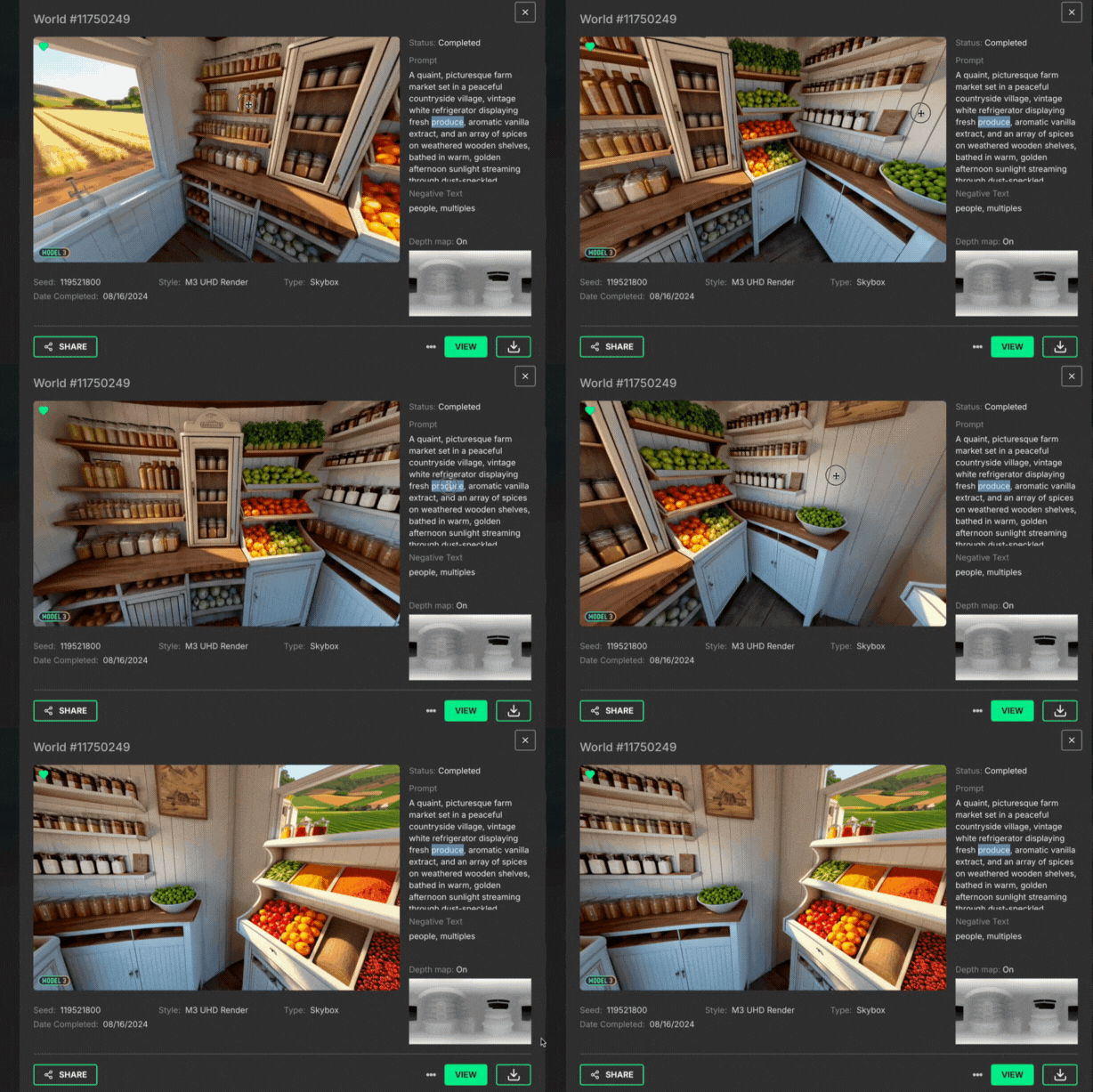
I used Skybox AI to generate VR-friendly 360° images that also work seamlessly in desktop view, creating an immersive, real-world environment learners can explore without requiring a headset.
I used ChatGPT to generate flat images where pop-up images and custom visuals were needed. This allowed me to create visuals that matched the scenario and learning context without relying on stock imagery or camera capture.

Visual Edits — Canva
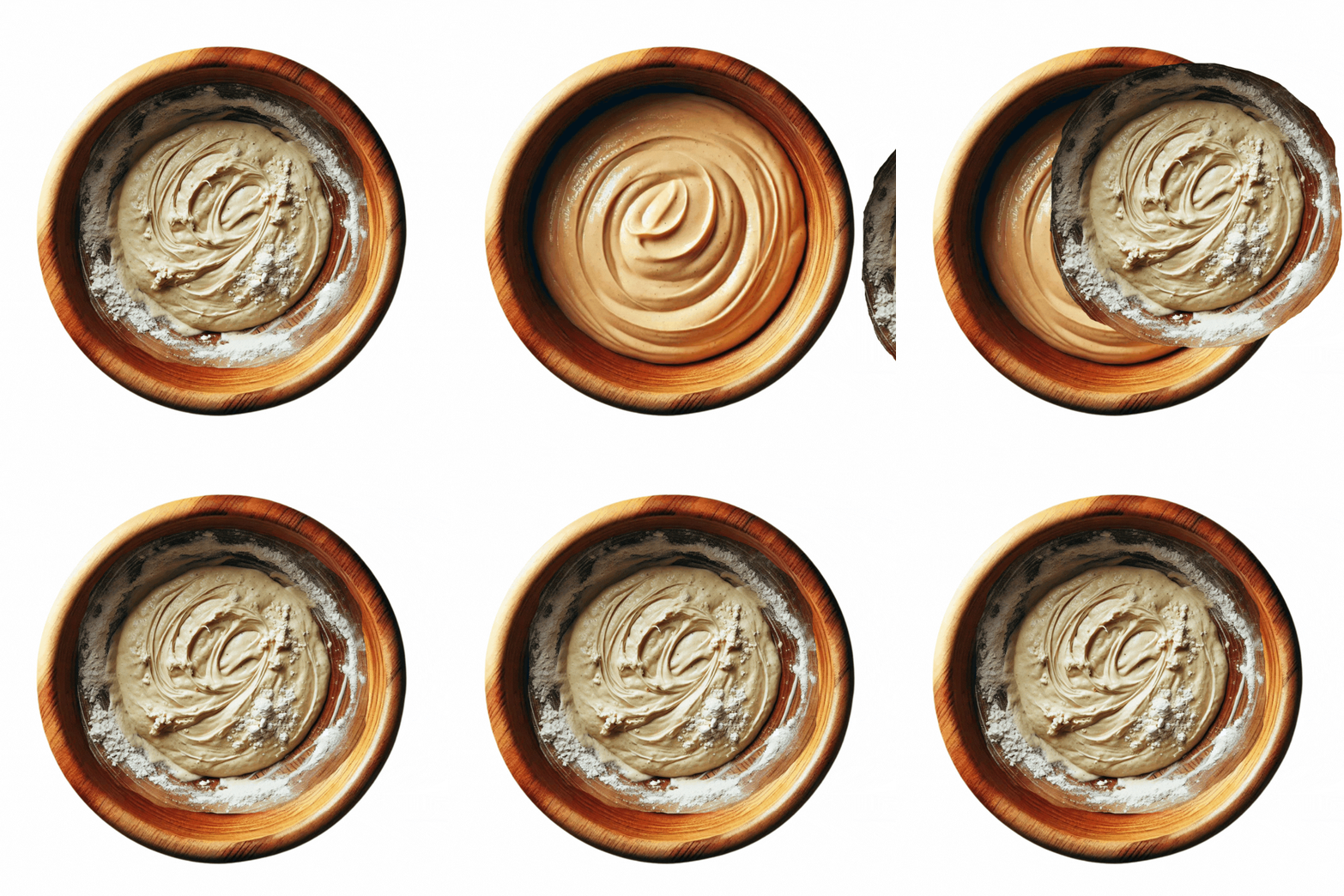
I leverage Canva to make fast edits to visuals by using Magic Edit, Background Remover, Magic Grab, and Magic Eraser—plus Magic Media to generate images or video when needed.
Editing with Canva significantly reduced my usual edit time using Photoshop.

Audio Generation

For Audio, I used ElevenLabs to generate narration voiceover and simple sound effects, such as beeping alarms, to support key moments in the learning experience.
Full Development
I familiarized myself with Storyline’s 360° edit mode versus standard slides, then prototyped Scene 1 before moving into full development. From there, I built the experience directly from the storyboard, refining interactions as I went.

Project Takeaways
This project demo has garnered notable positive engagement on social media for standing out with a unique approach to learning design, both visually and conceptually, especially around innovation and immersive, scenario-based learning.
The next step would be usability testing with beginner bakers prior to baking, collecting learner feedback on clarity, decision-making, and confidence. These insights could be used to refine the experience and identify opportunities to improve the training.


